Abdominal Bloating
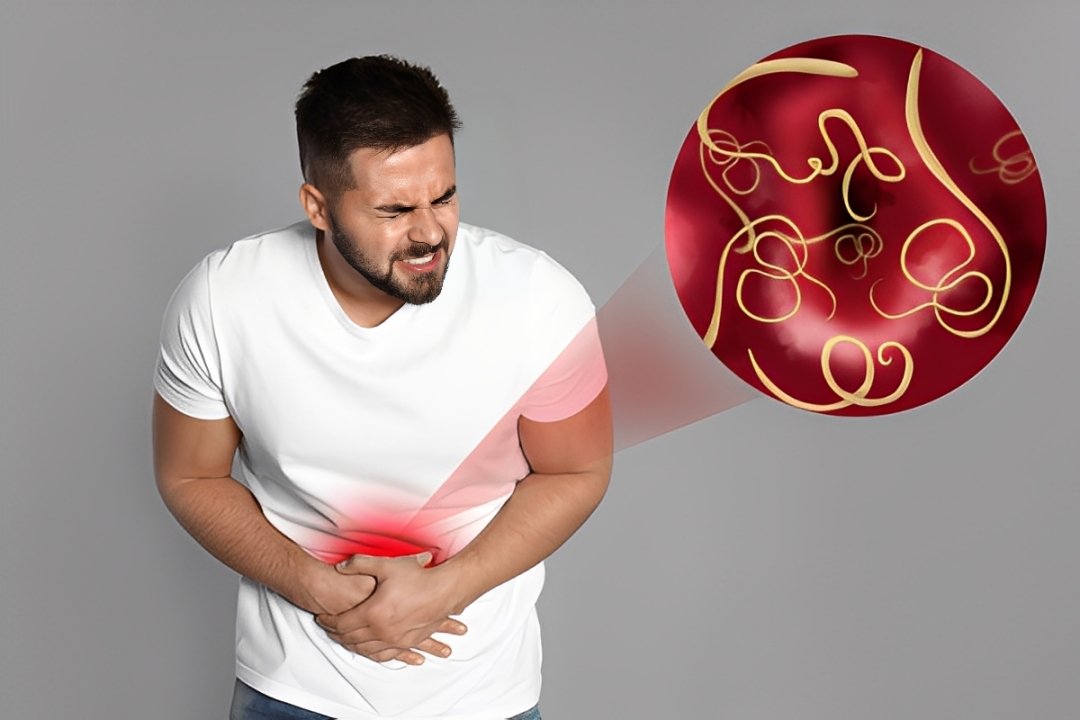
1. What is Abdominal Bloating?
Abdominal bloating refers to a feeling of tightness, fullness, or visible swelling in the abdomen. It is a common digestive symptom that can cause discomfort or pain and may result from excess gas, slow digestion, or altered gut motility. Many people experience bloating occasionally, but when it becomes frequent or persistent, medical evaluation is important. Dr. Rohit Sharma, an experienced Gastroenterologist and Liver Specialist, provides expert diagnosis and treatment for bloating and related digestive concerns.
2. Symptoms of Abdominal Bloating
Bloating is often accompanied by other digestive symptoms, including:
- A sensation of fullness or pressure in the abdomen
- Frequent burping or flatulence
- Abdominal pain or mild cramps
- Visible swelling of the abdomen
- Audible rumbling or gurgling sounds in the stomach
If you experience persistent bloating, discomfort, or changes in digestion, consulting Dr. Rohit Sharma can help identify and manage the root cause effectively.
3. Causes of Abdominal Bloating
Abdominal bloating can arise from a wide range of dietary, lifestyle, or medical factors. Common causes include:
- Dietary habits: Foods such as beans, lentils, cabbage, onions, and carbonated drinks are known to produce gas and cause bloating.
- Digestive disorders: Conditions like Irritable Bowel Syndrome (IBS), lactose intolerance, or Small Intestinal Bacterial Overgrowth (SIBO) can lead to excessive bloating.
- Swallowing air: Eating too fast, chewing gum, or drinking through straws can lead to air ingestion.
- Constipation: Slower bowel movements can trap gas and increase abdominal pressure.
- Hormonal factors: Hormonal fluctuations, particularly in women, may cause temporary bloating.
Identifying the cause is essential for effective management. Dr. Rohit Sharma uses a systematic approach to assess dietary, lifestyle, and medical factors contributing to bloating.
4. Treatment of Abdominal Bloating
Treatment depends on the underlying cause but often involves a combination of dietary changes, lifestyle improvements, and medical management. Common approaches include:
- Dietary modifications: Avoiding gas-forming foods, reducing processed sugars, and eating smaller, slower meals can help.
- Medications: Depending on the cause, simethicone, activated charcoal, or prescription medicines may be used for relief.
- Probiotics: Help restore healthy gut bacteria balance and improve digestion.
- Lifestyle measures: Regular exercise, adequate hydration, and stress management can significantly reduce bloating.
If bloating persists despite home remedies, Dr. Rohit Sharma offers personalized treatment plans based on diagnostic findings to ensure long-term relief.
5. Q&A: Common Questions About Abdominal Bloating
Q1: Can bloating indicate a serious medical issue?
A: Yes. Persistent bloating may be associated with conditions such as IBS,
celiac disease, or even more serious gastrointestinal disorders. If symptoms
continue, it’s important to consult Dr. Rohit Sharma for proper
evaluation.
Q2: Which foods commonly cause bloating?
A: Gas-producing foods such as beans, onions, broccoli, cabbage, dairy (for
lactose-intolerant individuals), and carbonated drinks can contribute to
bloating.
Q3: When should I see a doctor?
A: If bloating is ongoing for several weeks or accompanied by severe pain,
vomiting, or unexplained weight loss, you should seek medical attention from a
gastroenterologist.
Q4: Can stress contribute to bloating?
A: Yes. Stress affects digestion and can increase gas retention. Relaxation
techniques and digestive-focused care under Dr. Rohit Sharma can help
manage this effectively.
Q5: How can I prevent bloating?
A: Eat slowly, stay hydrated, limit gas-forming foods, and maintain regular
physical activity. Dr. Rohit Sharma provides individualized guidance to
help prevent recurrent bloating episodes.
With his expertise in gastroenterology and liver care, Dr. Rohit Sharma offers comprehensive diagnosis and treatment for abdominal bloating and other digestive issues — helping patients restore comfort and digestive balance.