Pancreatitis
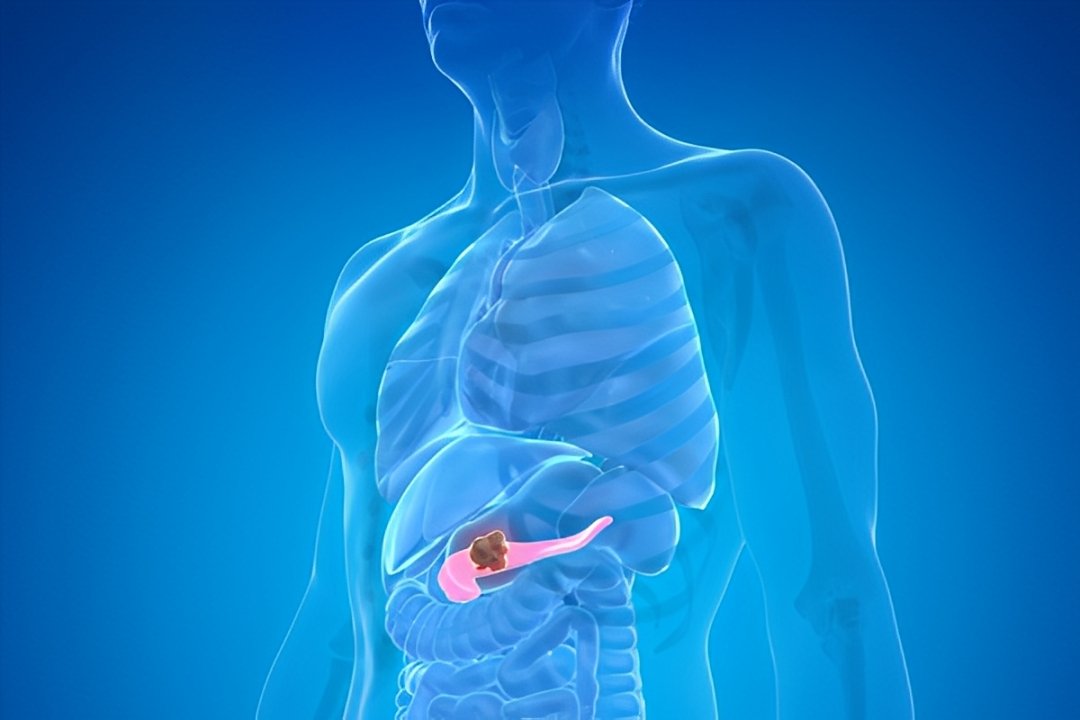
1. What is Pancreatitis?
Pancreatitis is an inflammation of the pancreas, an organ responsible for producing digestive enzymes and hormones such as insulin. When these enzymes activate prematurely within the pancreas, they cause tissue damage and inflammation. Pancreatitis can be classified into two types: acute and chronic. Acute pancreatitis develops suddenly and usually resolves with appropriate treatment, whereas chronic pancreatitis occurs gradually and may result in long-term complications affecting digestion and metabolism.
2. Symptoms of Pancreatitis
Symptoms may differ depending on whether the condition is acute or chronic:
-
Acute Pancreatitis:
o Sudden, severe upper abdominal pain
o Pain radiating to the back
o Nausea and vomiting
o Fever and rapid pulse
o Abdominal tenderness -
Chronic Pancreatitis:
o Persistent upper abdominal discomfort
o Unintended weight loss
o Fatty, foul-smelling stools (steatorrhea)
o Indigestion and diarrhea
If you notice any of these symptoms, timely consultation with a gastroenterologist is crucial.
3. Causes of Pancreatitis
Several factors can trigger pancreatitis, including:
- Gallstones: Obstruction of the pancreatic duct by stones can cause enzyme buildup.
- Excessive alcohol use: A leading cause of chronic pancreatitis.
- Medications: Certain drugs, like corticosteroids or diuretics, may induce pancreatitis.
- High triglycerides: Elevated blood fats can inflame the pancreas.
- Genetic predisposition: Hereditary pancreatitis can lead to recurring inflammation.
Other causes may include infections, abdominal trauma, or autoimmune conditions.
4. Treatment of Pancreatitis
Treatment focuses on relieving symptoms, addressing the underlying cause, and preventing complications. Options may include:
- Hospital care: Acute cases may require hospitalization to manage pain, hydration, and nutrition.
- Fasting: Temporarily avoiding food allows the pancreas to rest.
- Medications: Pain relievers and anti-inflammatory drugs help manage discomfort.
- Procedures: ERCP (Endoscopic Retrograde Cholangiopancreatography) can remove gallstones or relieve duct obstruction if needed.
- Surgery: Required in severe cases to remove damaged tissue or drain fluid collections.
- Lifestyle adjustments: Limiting alcohol, adopting a low-fat diet, and following medical advice can prevent recurrence of chronic pancreatitis.
5. Why Choose Dr. Rohit Sharma?
Dr. Rohit Sharma is an expert gastroenterologist specializing in pancreatitis and liver disorders. He combines advanced diagnostic tools with individualized treatment plans to ensure optimal outcomes for both acute and chronic cases. His careful and compassionate approach ensures patients receive comprehensive care for better digestive health.
6. Q&A About Pancreatitis
Q1: What is the difference between acute and chronic pancreatitis?
A: Acute pancreatitis develops suddenly and often resolves with proper care,
while chronic pancreatitis is long-lasting and can cause permanent damage to the
pancreas, requiring ongoing management.
Q2: How is pancreatitis diagnosed?
A: Diagnosis involves clinical evaluation, blood tests for pancreatic enzymes,
imaging such as ultrasound or CT scans, and sometimes endoscopic assessment.
Q3: Can pancreatitis be prevented?
A: Risk reduction includes limiting alcohol intake, maintaining a healthy
low-fat diet, and managing conditions like gallstones or high triglycerides.
Q4: How long does recovery take for acute
pancreatitis?
A: Mild cases may recover within a few days, while severe cases may need weeks
of treatment and close monitoring.
Q5: What are potential complications of chronic
pancreatitis?
A: Chronic pancreatitis can lead to diabetes, malnutrition, digestive issues,
and increased risk of pancreatic complications. Ongoing management is key.
For professional evaluation and management of pancreatitis, consult Dr. Rohit Sharma, a highly skilled gastroenterologist and liver specialist.